 English


New Delhi / Dehradun
The much awaited Delhi Dehradun Greenfield Expressway being built between Delhi and Dehradun has now reached its final stage and is set to be opened for public vehicles in February 2026. Once operational, the travel time between the two cities will be reduced to just 2.5 hours. This is expected to bring a major transformation in road connectivity, time savings, and both trade and tourism sectors for travelers.
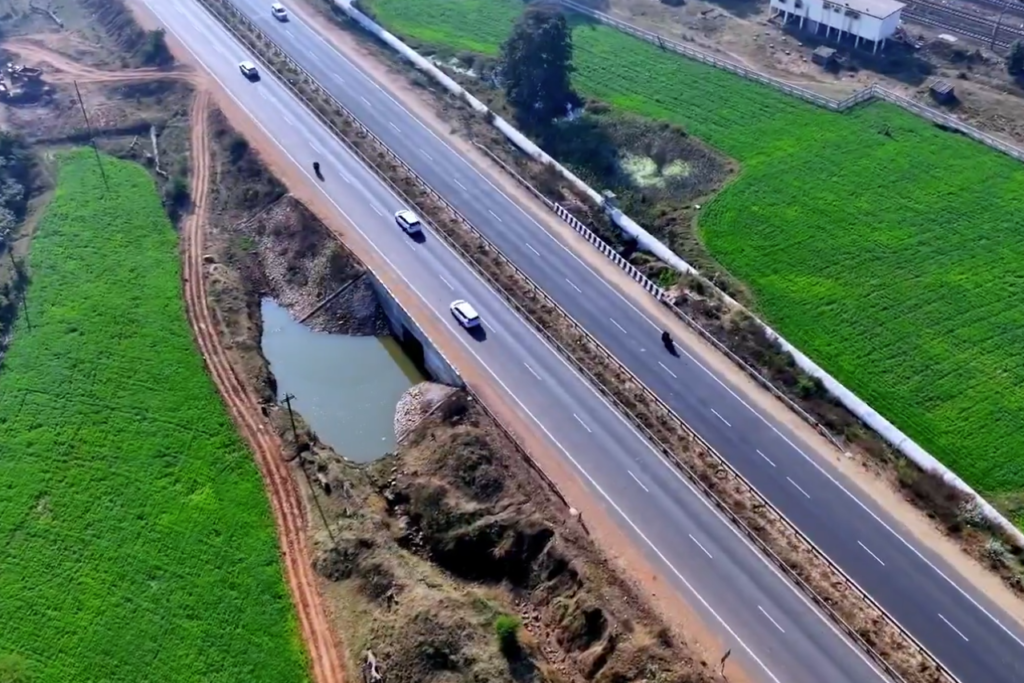
The Delhi Dehradun Expressway, officially known as the Delhi Saharanpur Dehradun Economic Corridor, is approximately 210 to 213 kilometers long and is being developed by the National Highways Authority of India (NHAI). The expressway starts near Akshardham in Delhi and will pass through Baghpat, Shamli, Muzaffarnagar, and Saharanpur before reaching Dehradun in Uttarakhand. It is a six lane expressway that also includes several elevated sections and tunnels.
Time Saving Corridor, Preparation for Opening in February
Construction work is almost complete, with only a few minor finishing works remaining, which are expected to be completed soon so that the route can be opened for vehicles before June 2026. According to officials, once this new high speed expressway becomes operational, the current travel time of 6 to 7 hours between Delhi and Dehradun will be reduced to around 2.5 hours. This will especially benefit travelers and traders from North India.
Trial runs have already been successfully conducted on several sections, and vehicle movement has started on some stretches to test the quality and safety of the work. Arrangements for toll plazas, rest areas, and emergency services are also being made on the expressway so that travelers can avail better facilities.
Modern Facilities and Passenger Convenience
Special attention has been given to modern facilities on the Delhi Dehradun Greenfield Expressway. Electric vehicle charging stations, rest areas, and food and beverage outlets will be available every 30 kilometers to ensure comfort during long journeys. In addition, smart parking hubs are being developed on the expressway, which will offer facilities such as cashless payment, 24×7 CCTV surveillance, digital information panels, and toilets.
In particular, there is a plan to develop three high tech parking hubs in the Delhi section, which will be located between Akshardham and Loni Border, Lalita Park, and the Geeta Colony area. These hubs will help ease parking problems for travelers and also improve traffic management.
Environment and Biodiversity Sensitive Design
A large portion of this expressway passes through environmentally sensitive areas, including the Shivalik hills and Rajaji National Park. To ensure that wildlife movement is not disrupted, special animal corridors, elevated road sections, sound barriers, and dedicated lighting arrangements have been implemented. On the advice of the Wildlife Institute of India, special lights have been installed that do not disturb animals at night, and separate pathways have been provided specifically for the movement of elephants.
Near Dehradun, a tunnel approximately 300 meters long has also been made an important part of the highway. This tunnel has been beautifully designed with images and artworks depicting the culture of Uttarakhand. It makes the journey more engaging for travelers and also enhances the appeal of tourism.
Boost to Trade and Tourism
According to experts, this expressway will not only improve convenience for travelers but will also provide a strong boost to commercial activities and tourism. For farmers and traders of western Uttar Pradesh, this route will offer a more time efficient way to transport their goods to markets. At the same time, access to Dehradun and nearby tourist destinations will become much easier, which is expected to improve the regional economy.
The Delhi Dehradun Greenfield Expressway is not just a new road project, but also a major example of economic, social, and environmental progress in North India.